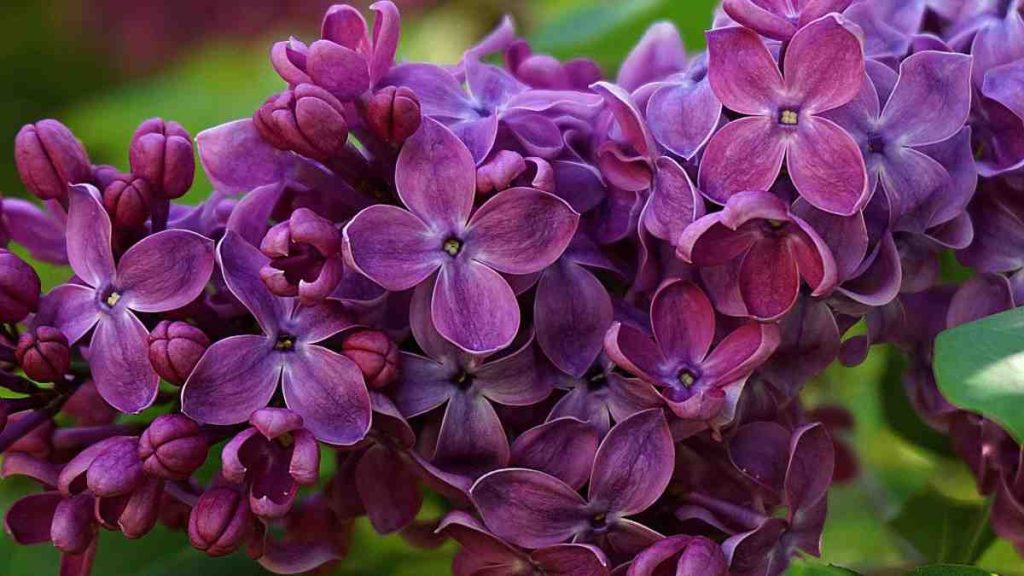

There’s nothing quite like that moment in early spring when you catch your first whiff of lilac on the breeze. It’s sweet but not cloying, crumbly yet fresh, with this deep, almost intoxicating richness that stops you in your tracks.
A sensory opening: the unmistakable fragrance of lilacs in spring
I’ve spent years tending gardens, and to me, lilac’s scent is the true messenger of warmer days. It’s a complex perfume floral with hints of vanilla and spice that drifts farther than most flowers dare. One bush in full bloom can fill an entire yard, drawing you closer until you’re buried in those cone-shaped clusters of tiny blossoms. That first deep inhale feels like a reset button for the soul after a long winter.
Why lilacs instantly evoke nostalgia, calm, and romance
For so many of us, lilacs are tied to childhood memories maybe a grandmother’s backyard hedge or bouquets picked for Mother’s Day. That fragrance triggers something primal, pulling up feelings of simpler times and quiet joy. It’s calming because it’s gentle, never overwhelming, wrapping you in a sense of peace. And romance? Lilacs have been symbols of first love for centuries; their delicate purple hues and heady aroma make any moment feel tender and timeless. I’ve planted them near patios just to set the mood for evening conversations.
Brief overview of what makes lilac flowers so emotionally powerful
What sets lilacs apart is the perfect storm of their senses-assaulting beauty: the vivid colors ranging from soft lavender to deep violet, that unmatched fragrance, and their fleeting springtime appearance that makes every bloom feel precious. As someone who’s grown dozens of varieties over the years, I can tell you it’s this combination the sight, smell, and the emotions they stir that gives lilacs their almost magical hold on our hearts. They’re not just flowers; they’re an experience that lingers long after the petals fall.
The Botanical Soul of Lilacs
Lilacs, with their delicate clusters of blossoms and intoxicating fragrance, embody more than just beauty they carry a botanical soul that speaks of resilience, heritage, and quiet elegance. Belonging to the genus Syringa, lilacs are part of the olive family (Oleaceae), a detail that often surprises people. Their lineage connects them to plants known for strength and longevity, and lilacs themselves reflect this through their hardy nature and ability to thrive in diverse climates.
From a gardener’s perspective, lilacs are not merely ornamental shrubs; they are storytellers of the seasons. Their blooms herald the arrival of spring, often appearing just as the chill of winter fades. I remember the first time I planted a lilac bush in my own garden it was a modest sapling, but within a few years, it grew into a sprawling presence, filling the air with a fragrance so rich that neighbors would pause at the fence to breathe it in. That experience taught me that lilacs are more than plants; they are companions that mark time and memory.
Botanically, lilacs are deciduous shrubs or small trees, reaching heights of 2 to 10 meters depending on the variety. Their leaves are typically heart-shaped, a subtle reminder of the affection people feel toward them. The flowers, arranged in panicles, range in color from the classic soft purple to white, pink, and even deep magenta. Each hue carries its own symbolism purple for spirituality, white for purity, and pink for love.
What makes lilacs particularly fascinating is their longevity. Some lilac bushes live for over a century, becoming silent witnesses to generations.
As an expert, I often advise gardeners to see lilacs not just as decorative plants but as living legacies. Their roots dig deep, their branches spread wide, and their blossoms remind us of renewal. To nurture a lilac is to connect with a cycle of life that is both fragile and enduring a botanical soul that continues to inspire poets, painters, and everyday admirers alike.
A Fragrance That Speaks to the Heart
The fragrance of lilacs is more than a pleasant scent it is an emotional language that speaks directly to the heart. Unlike many flowers whose beauty is primarily visual, lilacs captivate through their perfume, a blend of sweetness and subtle spice that lingers in the air. It is often described as nostalgic, carrying with it the memory of spring mornings, open windows, and gardens in bloom.
From a botanical standpoint, the fragrance comes from volatile oils released by the blossoms, particularly during the peak of their bloom. These oils are delicate, which is why lilac perfumes are rare and highly prized; capturing the true essence of lilac is notoriously difficult. Yet, this very elusiveness adds to their charm lilacs are best experienced in person, where their scent can envelop you in a way no bottle ever could.
On a personal note, I recall walking past an old lilac hedge during my childhood. The scent was so powerful that it seemed to pause time. Even now, whenever I encounter lilacs, I am instantly transported back to those carefree days. This is the magic of lilacs: they don’t just smell beautiful, they awaken memory and emotion.
Psychologically, lilac fragrance is often associated with calmness and joy. Aromatherapists note that it can ease tension and uplift the spirit, making it a natural companion for moments of reflection. In many cultures, lilacs symbolize renewal and love, and their fragrance reinforces this symbolism by creating an atmosphere of warmth and serenity.
Gardeners often say that a lilac bush is not complete until you’ve stood beside it and breathed in its perfume. It is the invisible soul of the plant, the part that connects most deeply with us. To grow lilacs is to invite not just color into your garden, but a fragrance that speaks to the heart reminding us that beauty is not only seen, but felt.
Lilac in Perfumes and Essential Oils
Lilacs hold a unique place in the world of perfumery and aromatherapy, though not in the way most people expect. Their fragrance is legendary soft, romantic, and instantly recognizable but capturing it in a bottle is one of the greatest challenges for perfumers. Unlike roses or lavender, lilac blossoms do not yield essential oil through traditional distillation methods. The delicate compounds that give lilacs their scent are too fragile, breaking down before they can be extracted.
This is why true lilac essential oil does not exist in the conventional sense. Instead, perfumers rely on techniques such as enfleurage (an old method of pressing flowers into fat to absorb their fragrance) or modern synthetic recreations that mimic the natural aroma. These recreations are often so skillfully crafted that they evoke the same emotional response as standing beside a blooming lilac bush.
In the perfume industry, lilac notes are prized for their ability to add freshness and nostalgia. They are often blended into spring-inspired fragrances, where they pair beautifully with other floral notes like lily of the valley, jasmine, or rose. I’ve noticed that lilac-based perfumes tend to carry a sense of innocence and renewal wearing them feels like stepping into a garden after rain, with the air alive and clean.
From an aromatherapy perspective, lilac-inspired oils are associated with relaxation and emotional healing. While synthetic, they are still used to create calming atmospheres in homes and spas. I once experimented with a lilac-scented diffuser during a particularly stressful season, and the effect was remarkable: the fragrance softened the edges of the day, creating a cocoon of peace that felt almost therapeutic.
For enthusiasts, the allure of lilac in perfumes and oils lies not in its rarity but in its emotional resonance. It is a fragrance that cannot be fully bottled, reminding us that some of nature’s gifts are meant to be experienced in their purest form alive, fleeting, and unforgettable.
The Symbolic Language of Lilac Flowers
Lilacs are not only admired for their beauty and fragrance they also carry a rich symbolic language that has woven itself into culture, literature, and personal expression for centuries. Each shade of lilac tells a story, and together they form a tapestry of meanings that speak to the human heart.
In many traditions, lilacs symbolize renewal and the arrival of spring. Their blossoms emerge just as winter loosens its grip, making them a natural emblem of hope and new beginnings. This symbolism is especially strong in regions where lilacs are among the first flowers to bloom, reminding people that brighter days are ahead.
The colors of lilac flowers deepen this symbolic language:
- Purple lilacs are often associated with spirituality, wisdom, and the mysteries of the soul. They carry a quiet dignity that makes them popular in ceremonies and contemplative spaces.
- White lilacs represent purity and innocence, often chosen for weddings or moments of fresh starts.
- Pink lilacs speak of love and affection, a softer symbol of romance compared to the intensity of roses.
- Blue or violet lilacs (rarer varieties) are linked to tranquility and calm, evoking peace of mind.
Personally, I’ve always found lilacs to be a flower of memory. When I see them, I think of places I’ve lived and gardens I’ve visited, each bloom carrying a whisper of the past. This connection to memory is not accidental lilacs are often seen as symbols of nostalgia, reminding us of childhood, home, or loved ones. In fact, in Victorian times, gifting lilacs was a way of saying, “I remember you.”
Culturally, lilacs have appeared in poetry and art as metaphors for fleeting beauty. Their blossoms are short-lived, lasting only a few weeks, which makes them a poignant reminder of life’s transience. Yet, their return each year reassures us of continuity, a balance between impermanence and renewal.
To plant lilacs in a garden is to invite not just fragrance and color, but meaning. They become more than shrubs they are storytellers, carrying messages of love, purity, wisdom, and remembrance. Their symbolic language is as layered as their blossoms, offering us a way to connect with emotions that words alone cannot capture.
Lilacs in Love, Loss, and New Beginnings
Lilacs have always carried a deep emotional resonance, weaving themselves into the fabric of human experiences of love, loss, and renewal. Their blossoms, fleeting yet unforgettable, mirror the cycles of our own lives moments of joy, sorrow, and hope.
In the language of love, lilacs are gentle messengers. Their soft hues and intoxicating fragrance have long been associated with romance and affection. In Victorian times, gifting lilacs was a way of expressing first love or cherished memories. Even today, a bouquet of lilacs can feel more intimate than roses, as if whispering a secret of tenderness rather than declaring passion. I remember once receiving lilacs from a friend during spring it wasn’t a grand gesture, but the quiet beauty of those blooms carried more meaning than words could have.
Yet lilacs also speak to loss and remembrance. Their short blooming season reminds us of the impermanence of life and love. In many cultures, lilacs are planted near graves or old homesteads, serving as living memorials. They bloom faithfully each year, even when the people who once tended them are gone. This continuity makes them symbols of grief softened by memory reminders that while moments pass, their essence lingers. I’ve walked through abandoned gardens where lilacs still thrived, and the sight felt like a gentle embrace from the past, a reminder that beauty endures even in absence.
At the same time, lilacs embody new beginnings. Their blossoms mark the arrival of spring, a season of renewal and growth. For those emerging from hardship or loss, lilacs can be a symbol of resilience the promise that life continues, and joy will return. Planting a lilac bush after a difficult chapter can feel like planting hope itself, a gesture of faith in the future.
Their role in these emotional landscapes makes them more than flowers; they are companions to the human heart, guiding us through the cycles of life with fragrance, color, and meaning.
Lilacs Through History and Culture
Lilacs have traveled through centuries and across continents, leaving behind a trail of stories, traditions, and cultural meanings that enrich their allure. Their history is as layered as their blossoms, intertwining botany with human emotion and artistry.
Origins and Spread Lilacs are native to the Balkan Peninsula, particularly regions like southeastern Europe. From there, they were carried into Asia and later introduced to Western Europe in the 16th century. By the 17th century, lilacs had crossed the Atlantic with European settlers, finding a permanent home in North America. I’ve often thought of lilacs as “migrants of beauty” plants that adapt wherever they go, yet always carry a sense of their old-world charm.
Royal and Aristocratic Gardens In Europe, lilacs quickly became favorites in royal and aristocratic gardens. Their fragrance and elegance were seen as symbols of refinement. French horticulturists, in particular, cultivated numerous varieties, and France became a hub for lilac breeding. To this day, French lilacs are considered among the most exquisite cultivars.
Lilacs in Literature and Art Poets and painters have long been captivated by lilacs. Walt Whitman famously referenced them in his elegy “When Lilacs Last in the Dooryard Bloom’d”, written after the death of Abraham Lincoln, where lilacs symbolized both mourning and renewal. In visual art, lilacs often appear in impressionist paintings, their soft hues capturing the fleeting beauty of spring. Personally, I find that lilacs in art often carry a quiet melancholy, as if reminding us that beauty is always transient.
Cultural Symbolism Across Regions
- In Russia, lilacs are associated with love and luck. It was once believed that finding a five-petaled lilac blossom could bring good fortune.
- In Victorian England, lilacs symbolized old love and remembrance, often given by widows or those cherishing past relationships.
- In North America, lilacs became a symbol of pioneer spirit. Settlers planted them around homesteads, and many of those bushes still bloom today, standing as living monuments to resilience.
Modern Celebrations Today, lilacs are celebrated in festivals across the world. The Rochester Lilac Festival in New York, for example, draws thousands of visitors each spring to admire hundreds of varieties in bloom. These events highlight how lilacs are not just plants but cultural icons, bringing communities together in appreciation of nature’s artistry.
Lilacs through history and culture remind us that flowers are more than decoration they are carriers of meaning, memory, and identity. To walk among lilacs is to step into a living tradition, one that connects us to centuries of human experience and the timeless rhythm of nature.
Lilacs in Art, Poetry, and Literature
Lilacs have long enchanted artists, poets, and writers, becoming more than just blossoms they are symbols, metaphors, and muses. Their fleeting beauty and intoxicating fragrance make them perfect subjects for creative expression, often embodying themes of memory, love, and the passage of time.
In Poetry Lilacs appear frequently in verse, often as emblems of nostalgia or renewal. Walt Whitman immortalized them in his elegy “When Lilacs Last in the Dooryard Bloom’d”, where they became symbols of mourning and rebirth after Abraham Lincoln’s death. Emily Dickinson, too, referenced lilacs in her poems, using them to capture the delicate balance between beauty and transience. Personally, I find lilacs in poetry to be deeply relatable their short bloom mirrors the fleeting nature of moments we wish could last forever.
In Literature Novelists have used lilacs to set moods or symbolize emotions. In Victorian literature, lilacs often represented old love or cherished memories, aligning with the era’s fascination with the “language of flowers.” More modern works use lilacs to evoke atmosphere whether it’s the innocence of spring or the bittersweet reminder of time gone by. I recall reading a novel where a lilac bush outside a character’s window became a silent witness to her life’s joys and sorrows, a motif that stayed with me long after finishing the book.
In Visual Art Painters, especially impressionists, were captivated by lilacs. Their soft clusters and pastel hues lent themselves beautifully to brushstrokes that captured light and movement. Artists like Claude Monet and Vincent van Gogh explored floral subjects, and while lilacs were not always their central focus, they appeared in still lifes and garden scenes, embodying the vibrancy of spring. Lilacs in art often carry a sense of serenity, inviting viewers to pause and reflect.
Cultural Resonance Across creative mediums, lilacs symbolize more than flowers they embody memory, renewal, and the bittersweet beauty of impermanence. They remind us that art, like nature, often thrives on transience. To encounter lilacs in a poem, painting, or novel is to be reminded that beauty is fleeting, but its impression endures.
For me, lilacs in art and literature feel like bridges between the personal and the universal. They connect individual memory with collective culture, offering a fragrance and image that resonates across time.
The Seasonal Magic of Lilac Blooms
Lilacs are nature’s way of announcing spring with a flourish. Their seasonal magic lies not only in their beauty but in the anticipation they create. Unlike flowers that bloom throughout the year, lilacs have a brief but spectacular season usually lasting just two to three weeks in late spring. This fleeting window makes their blossoms feel precious, a reminder that some of life’s most enchanting experiences are short-lived.
When lilacs bloom, they transform gardens and landscapes into fragrant sanctuaries. Their clusters of blossoms, ranging from pale lavender to deep purple, seem to glow in the soft spring light. I remember the first time I saw an entire street lined with lilac bushes in full bloom it felt like walking through a living painting, every breath filled with sweetness. That memory stays with me as proof of how lilacs can turn ordinary places into extraordinary ones.
The timing of lilac blooms also carries symbolic weight. They arrive just as winter’s chill fades, signaling renewal and hope. For gardeners, lilacs are a seasonal milestone: the promise that the growing season has truly begun. Their blossoms often coincide with other spring flowers like tulips and daffodils, creating a symphony of color and fragrance that defines the season.
What makes lilacs magical is their ability to connect us to cycles of time. Their short bloom teaches us to savor the present, to pause and appreciate beauty while it lasts. And yet, their return each year reassures us of continuity spring will always come again, and lilacs will always bloom.
In many cultures, lilac festivals celebrate this seasonal wonder, drawing communities together to admire the blossoms. These gatherings highlight how lilacs are more than plants; they are seasonal events, markers of joy and renewal.
The magic of lilac blooms lies in their rhythm: brief, breathtaking, and unforgettable. They remind us that beauty is not measured by permanence but by the intensity of the moment. To stand among lilacs in bloom is to experience spring distilled into its purest form.
Lilacs in Gardens and Everyday Life
Lilacs are not just admired in history books or poetry they are living companions in our gardens and everyday routines. Their presence transforms ordinary spaces into places of beauty, memory, and connection.
In the Garden Lilacs are beloved by gardeners for their resilience and charm. They thrive in well-drained soil and full sunlight, rewarding patience with abundant blooms each spring. A single lilac bush can become the centerpiece of a garden, while a hedge of lilacs creates a fragrant wall that feels almost magical. I remember planting lilacs along a pathway in my own garden; each spring, walking through that corridor became a ritual of renewal, with blossoms brushing against my shoulders and fragrance filling the air.
Lilacs also attract pollinators bees, butterflies, and even hummingbirds making them not only beautiful but ecologically valuable. Their blossoms provide nectar at a crucial time in spring when many insects are emerging from winter scarcity. In this way, lilacs contribute to the rhythm of life beyond the garden fence.
In Everyday Life Beyond the garden, lilacs weave themselves into daily experiences. Their cut flowers brighten homes, filling rooms with fragrance that lingers for days. A vase of lilacs on a kitchen table can change the atmosphere, turning a simple meal into something celebratory. Many people associate lilacs with family traditions spring gatherings, weddings, or even quiet afternoons spent reading by a window with lilacs blooming outside.
Lilacs also inspire creativity in everyday life. Their colors find their way into fabrics, home décor, and even culinary experiments (like lilac-infused syrups or teas). While their flavor is subtle, it carries the same delicate charm as their fragrance.
A Symbol of Everyday Joy What makes lilacs so special is their ability to elevate the ordinary. They remind us that beauty doesn’t have to be grand or rare it can be found in a backyard bush, a bouquet on the table, or the fragrance drifting through an open window. Lilacs in gardens and everyday life are not just plants; they are experiences, small celebrations of nature’s artistry woven into the fabric of daily living.
Modern Uses of Lilac Inspiration
Though lilacs are steeped in history and tradition, their influence continues to bloom in modern life, inspiring design, wellness, and creativity in ways that feel fresh and relevant today.
In Fashion and Design Lilac tones have become a staple in contemporary fashion, often associated with elegance and calm. Designers use lilac shades to evoke softness and sophistication, whether in clothing, accessories, or interior décor. A lilac dress or scarf carries the same romantic aura as the flower itself, while lilac-painted walls or accents in a home create a serene, welcoming atmosphere. I once redecorated a small reading nook with lilac cushions and curtains the effect was transformative, turning the space into a calming retreat.
In Wellness and Aromatherapy While true lilac essential oil is rare, lilac-inspired fragrances are widely used in candles, diffusers, and bath products. These scents are chosen for their ability to soothe stress and evoke nostalgia. In modern wellness routines, lilac-inspired aromas help create moments of mindfulness, reminding us to pause and breathe.
In Culinary Creativity Lilacs have even found their way into kitchens. Though subtle, lilac blossoms can be used to infuse syrups, teas, and desserts, adding a floral note that feels both delicate and unique. Chefs and home cooks alike experiment with lilac-inspired flavors to bring spring’s essence into their dishes.
In Digital and Artistic Expression Lilac imagery and symbolism thrive in digital art, photography, and branding. Social media aesthetics often feature lilac tones to convey tranquility and romance. Artists use lilac blossoms as motifs in modern illustrations, while brands incorporate lilac hues to suggest freshness and renewal.
In Everyday Inspiration Perhaps the most powerful modern use of lilac inspiration is its role in daily life. People turn to lilacs whether in gardens, perfumes, or art as reminders of beauty, resilience, and the importance of savoring fleeting moments. Their symbolism of love, memory, and new beginnings continues to resonate, making lilacs timeless companions in a fast-paced world.
Lilacs, once rooted in folklore and tradition, now inspire modern creativity and well-being. They remind us that even in today’s world of constant change, nature’s quiet elegance still has the power to shape how we live, design, and dream.
Why Lilacs Leave a Lasting Impression
Lilacs leave a lasting impression because they embody a rare combination of beauty, fragrance, and meaning that resonates deeply with human experience. Their charm is not just in how they look, but in how they make us feel.
A Sensory Experience The fragrance of lilacs is unforgettable sweet, rich, and nostalgic. It lingers in memory long after the blossoms fade, often tied to personal moments like spring mornings, family gatherings, or quiet walks in the garden. This sensory imprint is why lilacs are remembered more vividly than many other flowers.
A Symbol of Life’s Cycles Lilacs bloom briefly, reminding us of the fleeting nature of beauty. Yet they return faithfully each year, symbolizing renewal and continuity. This balance between impermanence and endurance makes them powerful metaphors for love, loss, and hope. Their blossoms teach us to savor the present while trusting in the promise of tomorrow. Cultural and Emotional Resonance From poetry to festivals, lilacs have been celebrated across cultures as symbols of memory, affection, and resilience.
Personal Connection For many, lilacs are tied to personal memories. I recall standing under a lilac bush in full bloom, the fragrance so overwhelming it felt like stepping into another world. That moment became a touchstone whenever I smell lilacs, I am transported back to it. This ability to evoke memory and emotion is what makes lilacs unforgettable.
Everyday Magic Even in modern life, lilacs inspire fashion, design, wellness, and art. Their colors soothe, their fragrance calms, and their symbolism uplifts. They remind us that beauty can be simple yet profound, woven into daily life in ways that continue to inspire.
Lilacs leave a lasting impression because they are more than flowers they are experiences. They touch the senses, stir the heart, and connect us to something timeless. Their blossoms may fade quickly, but the memory they create endures, making lilacs eternal companions in the garden of life
Conclusion: Let Lilacs Linger in Your Senses
Lilacs are more than blossoms on a branch; they are experiences that weave themselves into our senses, memories, and emotions. From their botanical soul to their symbolic language, lilacs remind us of life’s delicate balance between impermanence and renewal. Whether planted in a garden, celebrated in festivals, or captured in design and fragrance, lilacs continue to enchant and inspire.
I often think of lilacs as nature’s gentle reminder to pause to breathe in beauty, to cherish fleeting moments, and to trust in the cycles of renewal. To let lilacs linger in your senses is to embrace their gift: a fragrance that awakens memory, a bloom that celebrates life. They are not just flowers; they are companions to the human spirit, whispering of love, loss, and new beginnings with every spring
FAQs About Lilacs
1. How long do lilacs bloom?
Lilacs typically bloom for 2–3 weeks in late spring, depending on the variety and climate. Their short season is part of their charm, making them a treasured highlight of spring.
2. Do lilacs need special care?
Lilacs are hardy and relatively low-maintenance. They thrive in full sun and well-drained soil. Regular pruning after flowering helps maintain shape and encourages more blooms the following year.
3. Can lilacs grow in pots or containers?
Yes, dwarf varieties of lilacs can be grown in containers. However, they prefer open ground where their roots can spread freely. Container lilacs may need extra care with watering and fertilization.
4. Why don’t my lilacs bloom?
Common reasons include:
- Too much shade (they need at least 6 hours of sun).
- Over-pruning or pruning at the wrong time (best right after flowering).
- Young plants that haven’t matured yet.
- Poor soil or lack of nutrients.
5. Are lilacs fragrant?
Absolutely! Lilacs are famous for their sweet, nostalgic fragrance. Different varieties have slightly different scent profiles, but all are beloved for their perfume.
6. How long do lilac bushes live?
Lilacs are incredibly long-lived. With proper care, they can survive for decades sometimes over 100 years becoming heirloom plants passed down through generations.
7. Are lilacs safe around pets?
Lilacs (Syringa vulgaris) are generally considered non-toxic to cats and dogs, making them safe for gardens where pets roam.
8. What do lilac colors symbolize?
- Purple lilacs: spirituality and wisdom
- White lilacs: purity and innocence
- Pink lilacs: love and affection
- Blue/violet lilacs: tranquility and calm
9. Can lilacs be used in cooking?
Yes, lilac blossoms are edible and can be used to make syrups, teas, and desserts. Their flavor is subtle and floral, adding a delicate touch to recipes.
10. Why are lilacs so special?
Lilacs are cherished for their fragrance, beauty, symbolism, and resilience. They connect us to memory, culture, and the cycles of nature, leaving impressions that last long after their blooms fade